From The Honeymoon Is Over: The Rise of Indigenous Power
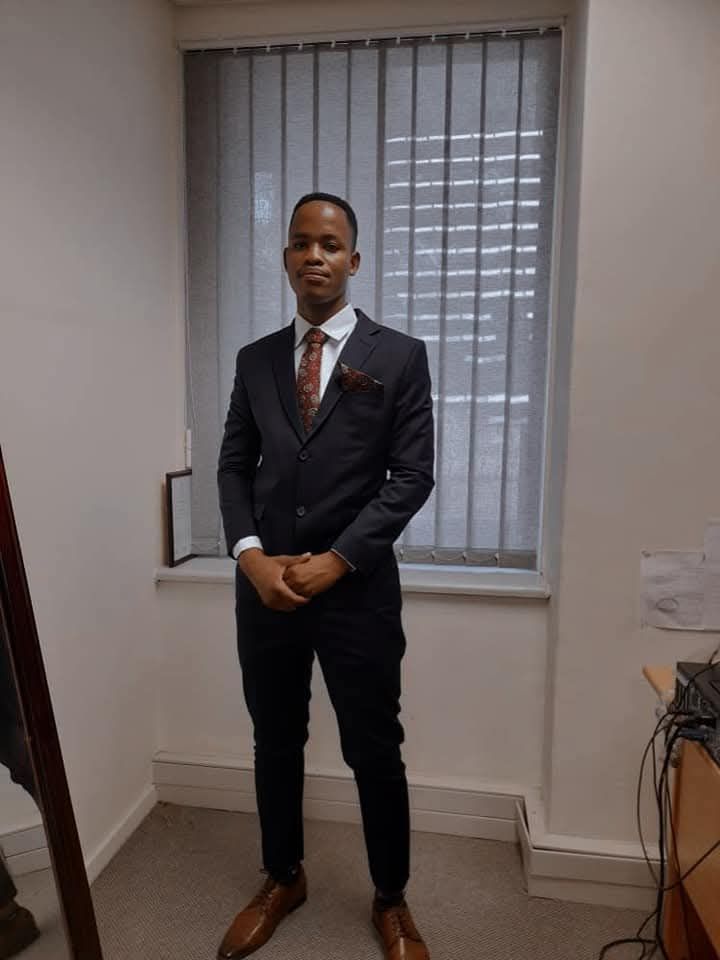
By Kebonemotse Amos
I come from a world where the land speaks first.
Before any human voice rises, the soil has already introduced itself. The wind has already formed an opinion. The birds have already cast their vote. And the rising sun delivers its daily briefing—a reminder that existence is not fragmented. Everything is connected. Everything is accountable.
For the San, life has never been a single story. It is a layered dialogue—between the visible and the invisible, the ancestors and the living, the land and those it raises.
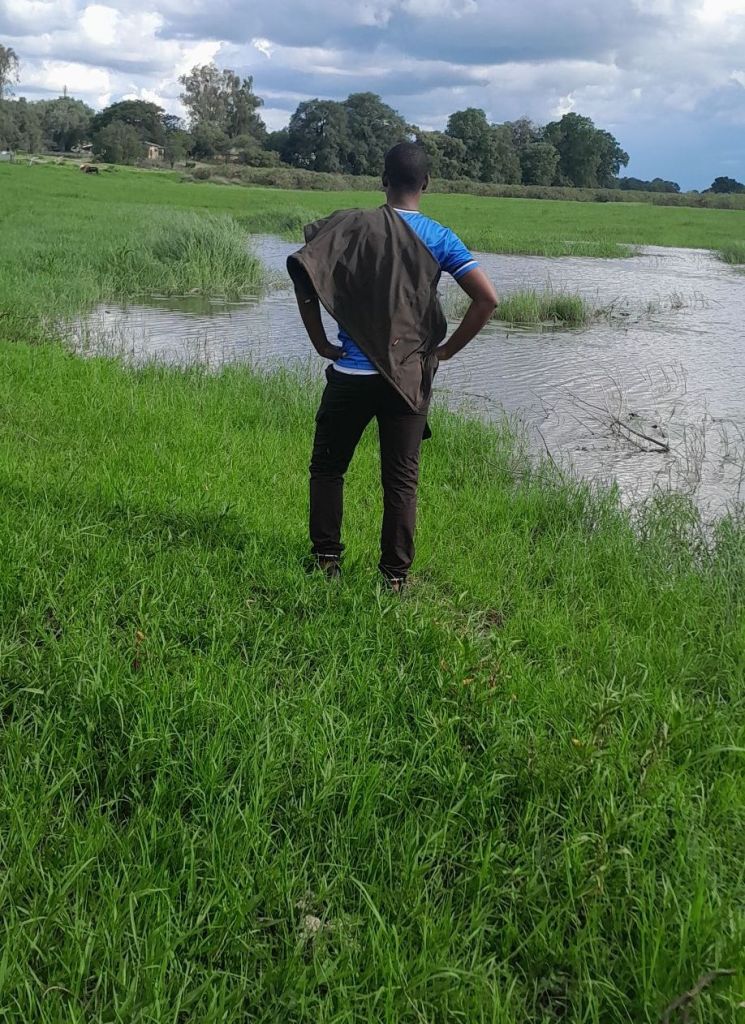
The Okavango Panhandle is not geography.
It is memory.
It is system.
It is truth.
I am one of its footsteps.
A continuation of a lineage that has travelled further in wisdom than many systems have travelled in technology. Before satellites, Indigenous communities mapped ecosystems. Before formal science, they understood animal behavior. Before climate became policy language, they lived adaptive systems of survival (Berkes, 2012).
Not for recognition—
but because the land was our teacher.
The desert does not reward ego.
It rewards alignment.
Ignore it—it breaks you.
Listen—it reveals everything.
Water where others see dryness.
Food where others see scarcity.
Pathways where others see nothing.
That is where I learned the difference:
Intelligence is knowing what things are.
Wisdom is knowing how things relate.
This relational worldview—often referred to as Indigenous knowledge systems—has been widely recognized as critical for biodiversity conservation and climate resilience (IPBES, 2019).
Our elders carried that wisdom like fire in their bones.
Then I stepped into another world.
A world of policies, boardrooms, frameworks, negotiations. A world where identity is negotiated, not inherited. A world that speaks of “empowerment” while quietly controlling power.
That’s where the fracture revealed itself.
When I spoke spiritually about the land, I was called nostalgic.
When I spoke scientifically, I was called performative.
But I am not divided.
I am layered.
I am both—
a child of an ancient ecological intelligence
and a modern professional fluent in policy, economics, and global systems.
I am a bridge.
And bridges carry weight.
That weight became undeniable when I encountered Indigenous realities beyond my own. The patterns were not isolated—they were systemic:
Land dispossession.
Cultural suppression.
Economic marginalization.
Extraction of knowledge without consent.
Extraction of Genetic resources without Consent
Derogatory labels and Social Classifications
Across the globe, Indigenous peoples continue to face disproportionate levels of poverty and exclusion despite safeguarding a significant portion of the world’s biodiversity (World Bank, 2021).
Different locations. Same design.
Two truths became clear:
It is not accidental. It is structural.
And we are not alone.
Shared struggle creates shared strategy.
But the deepest truth does not live in policy papers.
It lives in people.
In elders who remember dignity.
In mothers who feel forgotten.
In youth navigating identity and expectation.
These are not statistics.
They are lived realities.
And they expose a contradiction the world avoids:
Indigenous culture is celebrated—
while Indigenous futures are dismantled.
There is demand for our stories, our crafts, our knowledge, our identity. But demand without accountability is extraction. This aligns with broader critiques of biocultural exploitation and inequitable benefit-sharing (UNDRIP, 2007; Nagoya Protocol, 2010).
The world wants the aesthetic—
not the responsibility.
The culture—
not the people.
That is why this moment matters.
The honeymoon is over.
Symbolic appreciation is no longer enough.
Visibility without power is not progress.
Inclusion without influence is illusion.
We are not here to decorate development.
We are here to direct it.
So why speak now?
Because silence has never protected us.
Because storytelling is strategy.
Because truth is leadership.
And because this generation refuses to inherit trauma without transformation.
This is not a story of disappearance.
This is a story of reorganization.
Of resurgence.
Of reclamation.
We are still here.
Under the same sun that guided our ancestors.
And this—
is only the beginning.
 Kebonemotse Amos
Leave a comment